Planes Design
A closer look at how aircraft are designed — focused on the engineering decisions behind wing shape, control surfaces, stability, and propulsion. The posts here come primarily from UCLA’s E96A summer course and walk through the iterative design process: starting from first principles, building prototypes, testing them, and refining the design. Topics covered include glider optimization (how camber, aspect ratio, and CG placement affect glide performance), aerodynamic analysis (understanding lift curves, drag polars, and Reynolds number effects at small scale), and the transition from unpowered to powered flight (adding thrust while maintaining stability). The final test post evaluates how closely the finished aircraft matched its design goals.
-
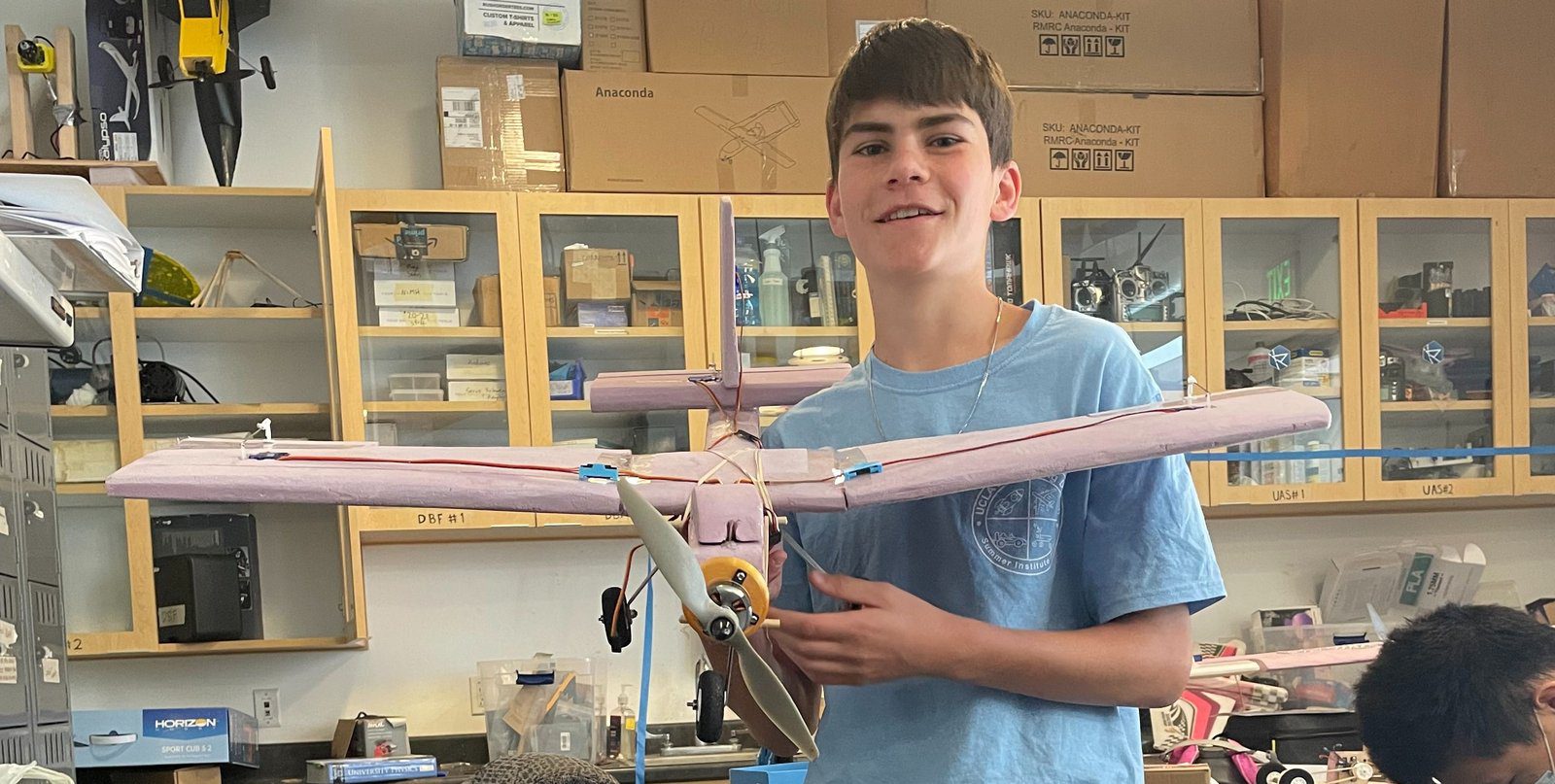
UCLA E96A Week Three Recap – The Final Test
Test Results In the morning, prior to visiting the airfield at Van Nuys, I tested the landing gear, as I…
-

UCLA E96A Week Two Recap – Aerodynamics
Students started the week by designing their aircraft on Onshape, a CAD (Computer-Aided Design) software. This important step allows them…
-
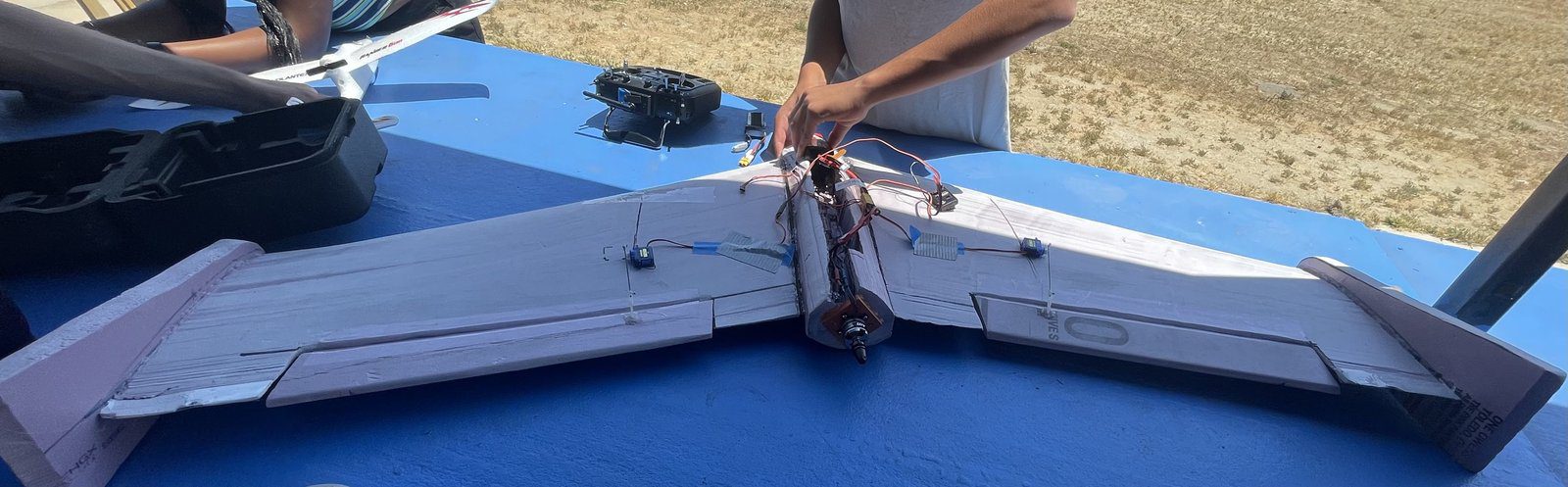
UCLA E96A Week One Recap – Gliders, Part Two
During the last three days of the week, students worked on new gliders and prepared for their next big project,…
-
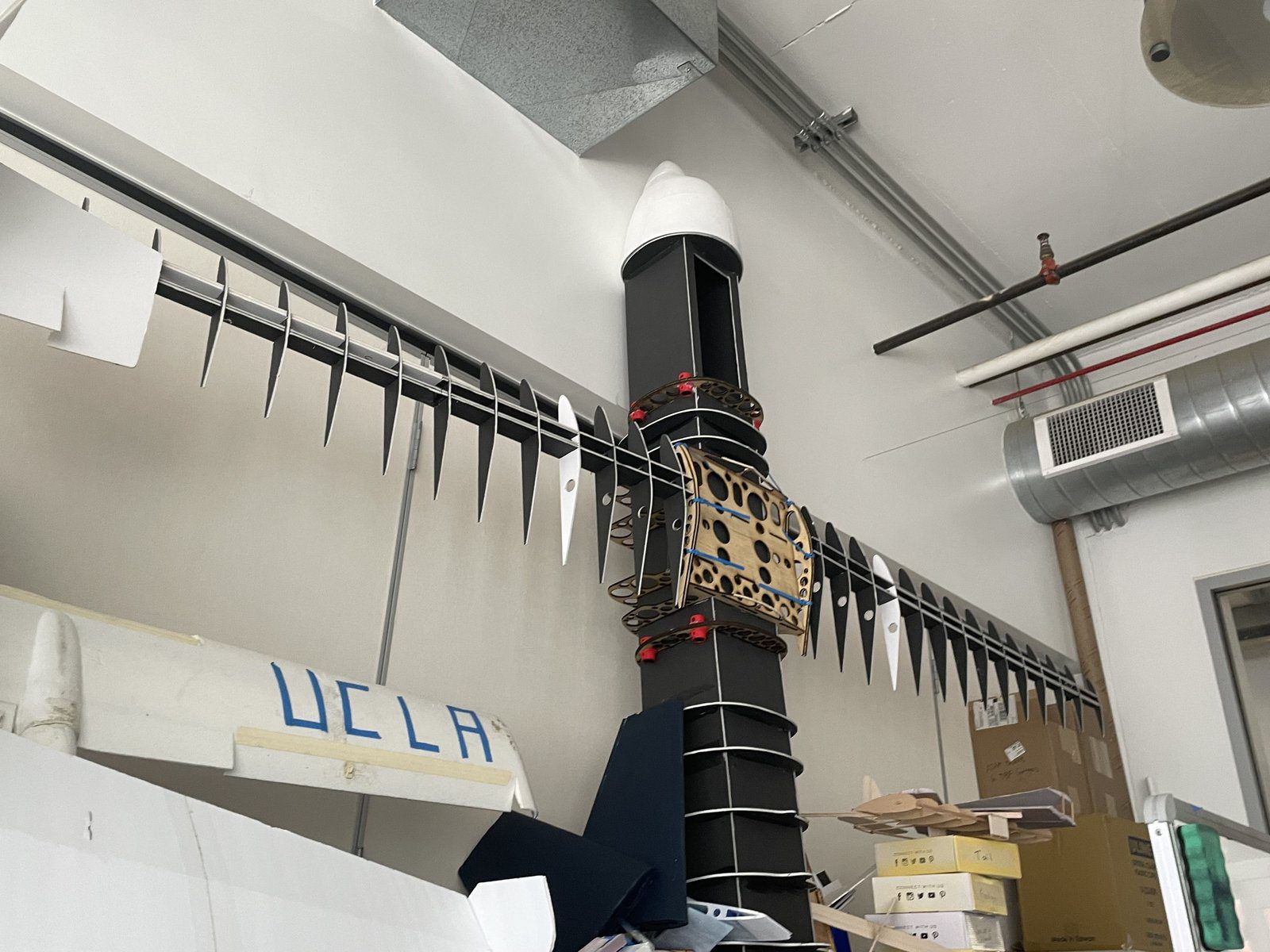
UCLA E96A Week One Recap – Gliders, Part One
Students started the second day by being assigned teams. This allowed students to collaborate throughout the week through the various…
-

UCLA E96A Plane Engineering: The Start of an Adventure
Today marks the beginning of a 3-week plane designing journey at UCLA better known as “E96A Introduction to Engineering Design:…