Aerodynamics and Windtunnel
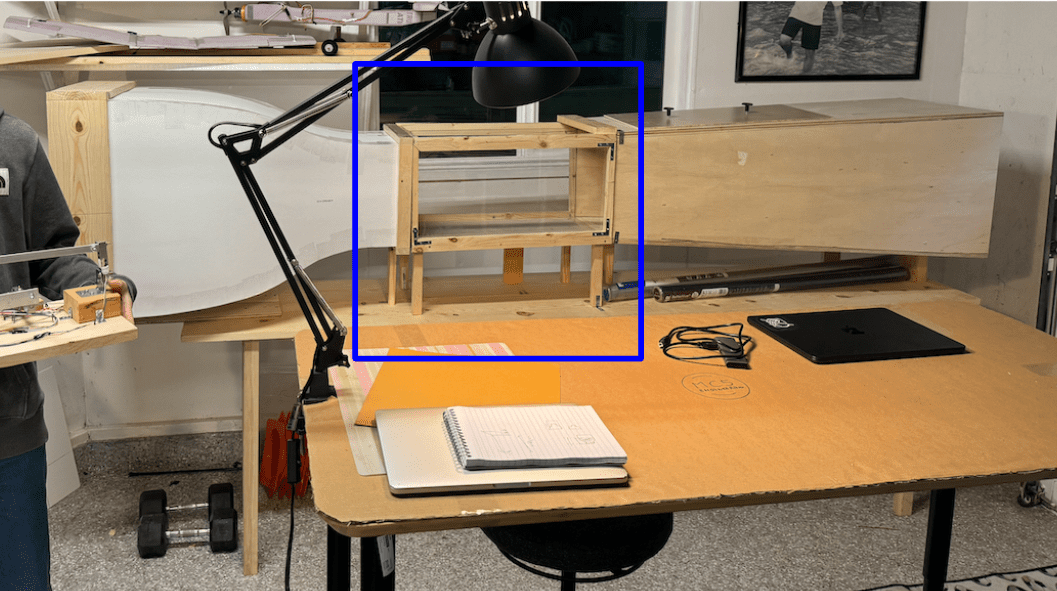
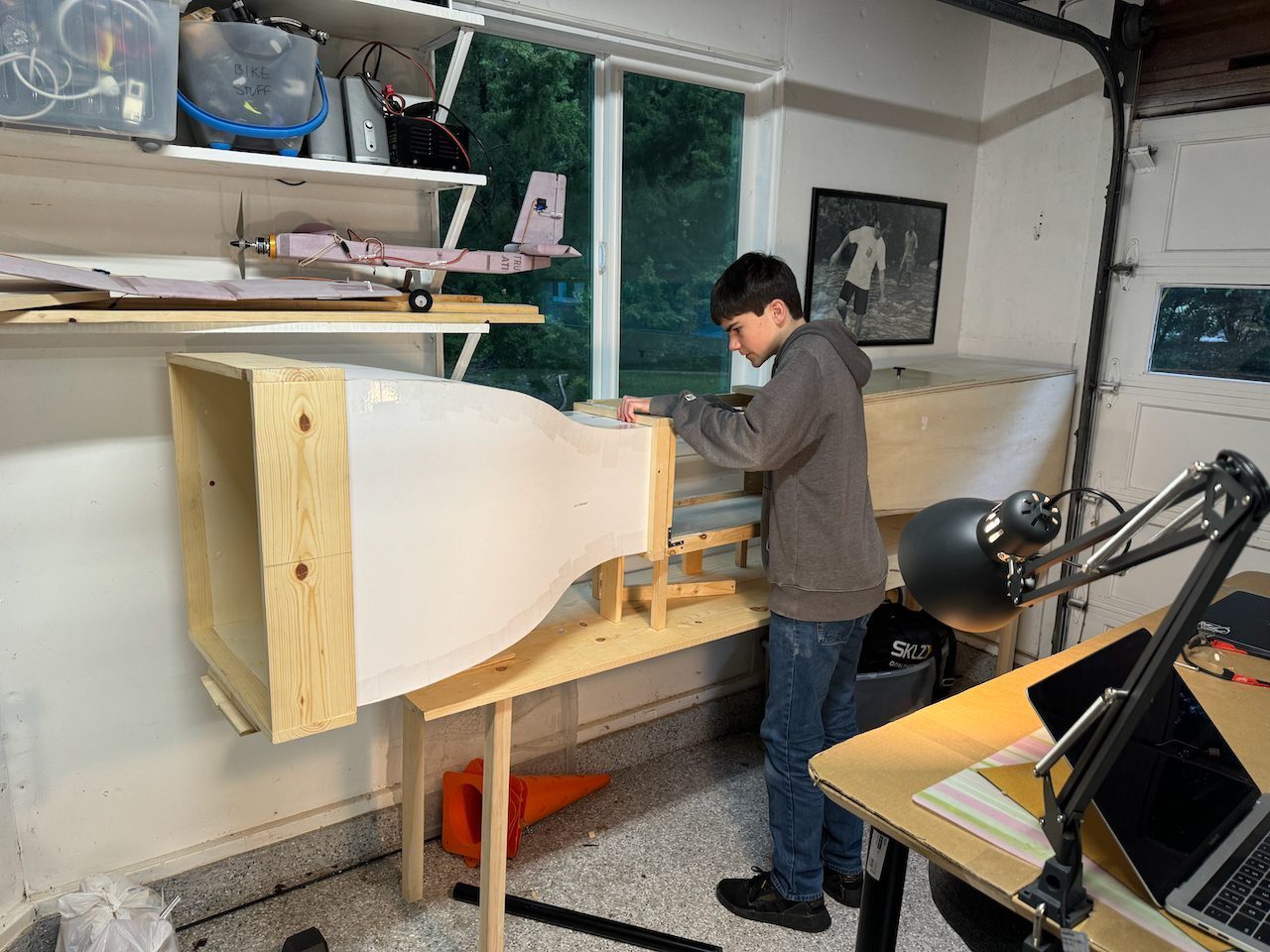
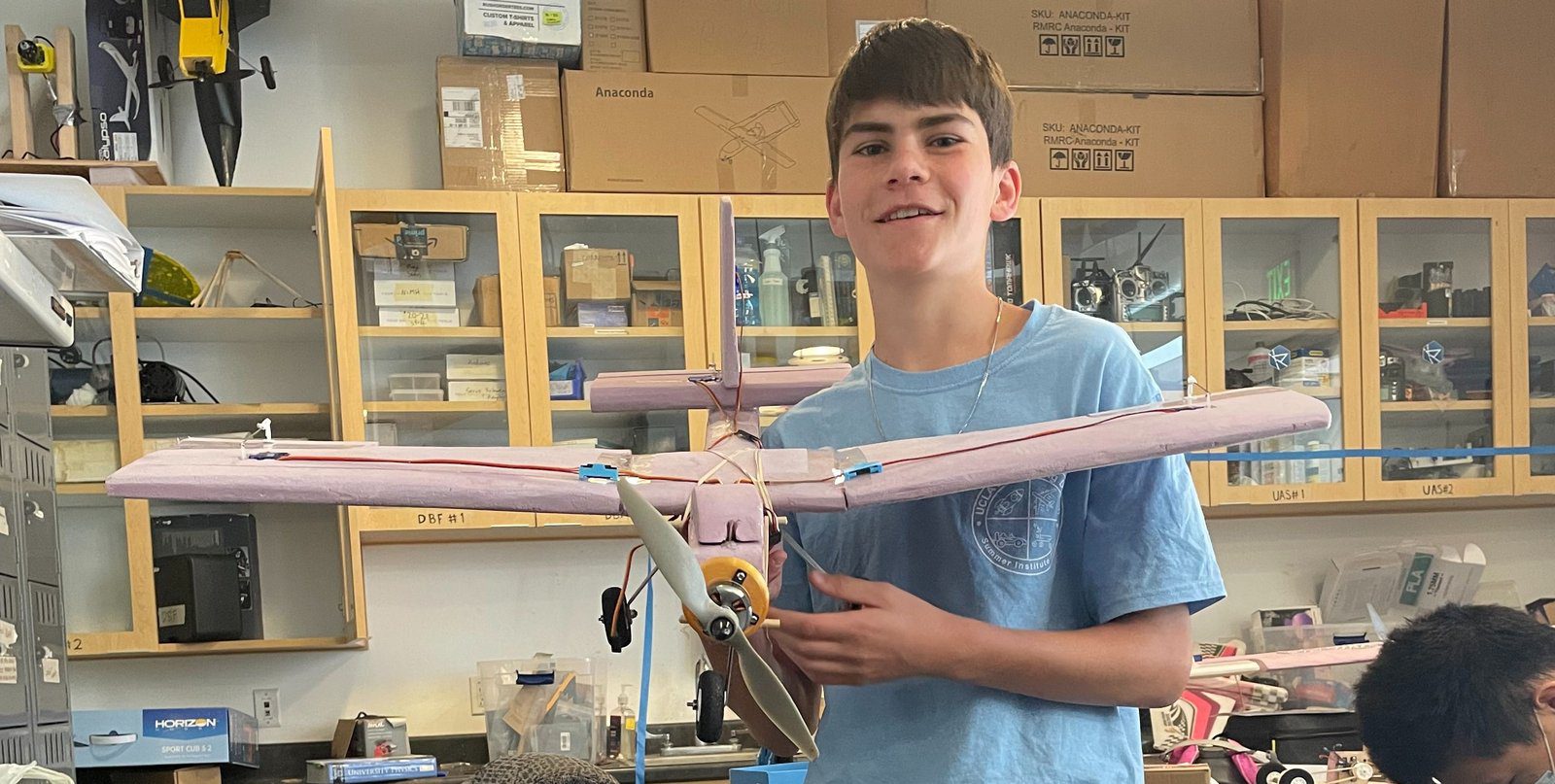
This is the largest section of 122point8, covering everything from hands-on wind tunnel construction to NASA-scale aerodynamic testing facilities. The centerpiece is a seven-part series documenting the design and build of a homemade low-speed wind tunnel — from the test chamber and diffuser through the concentrator, measuring station, and Arduino-based data acquisition, culminating in airfoil experiments measuring lift and drag on different wing profiles. You’ll also find coverage of UCLA’s E96A aerospace engineering course, where students designed, built, and flight-tested gliders and powered aircraft over an intensive three-week program. Other posts explore real-world aerodynamic phenomena like wing icing on a Boeing 757 during approach into SFO, and a visit to NASA’s National Full-Scale Aerodynamic Complex at Moffett Field — the massive 40-by-80-foot and 80-by-120-foot wind tunnels that tested everything from the Space Shuttle to the V-22 Osprey.
-
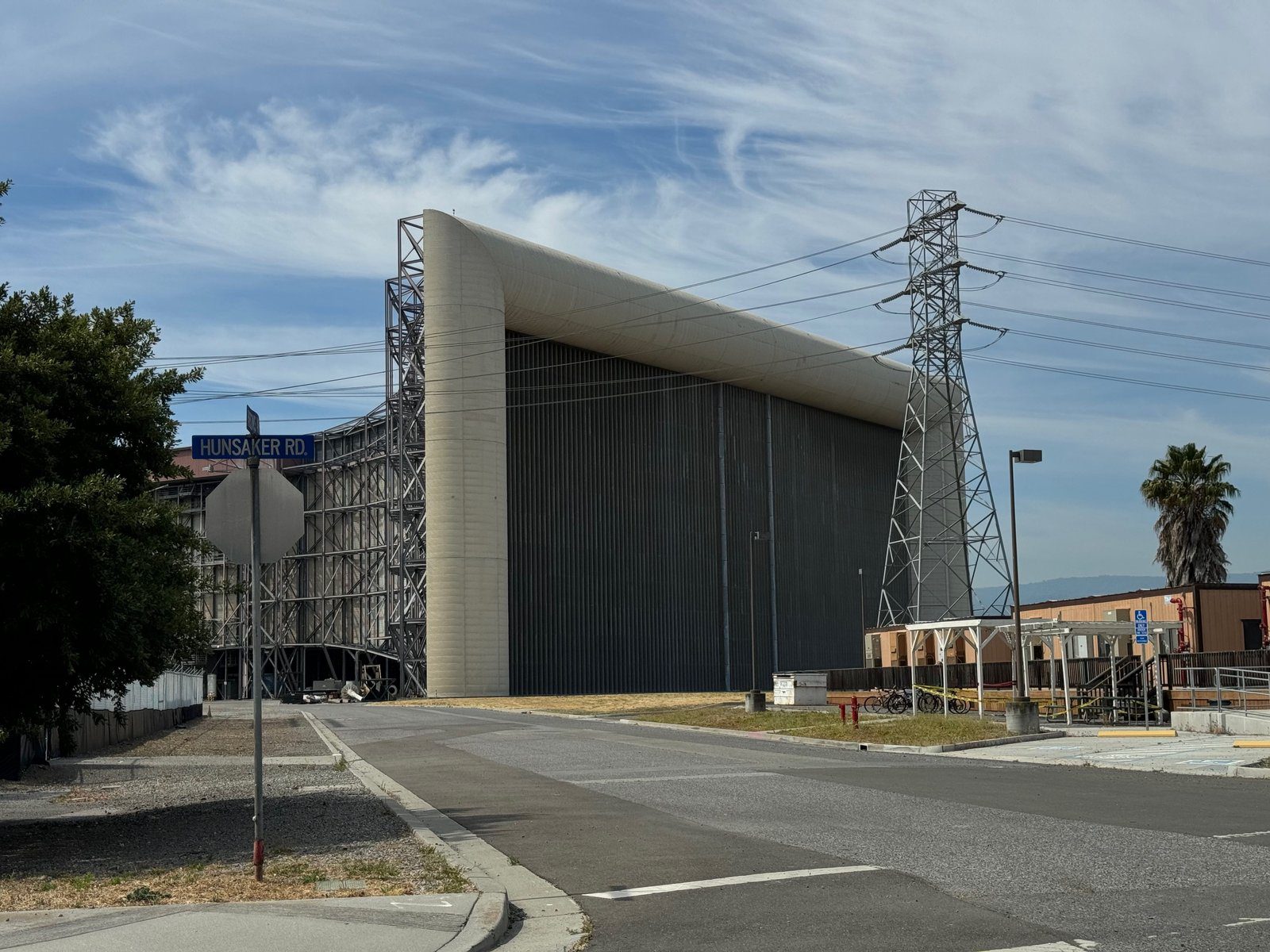
NASA’s Giant Wind Tunnel at Moffett Field: The National Full-Scale Complex
Last week I got to do something I never imagined when I was hot-gluing coffee straws together in my garage:…
-

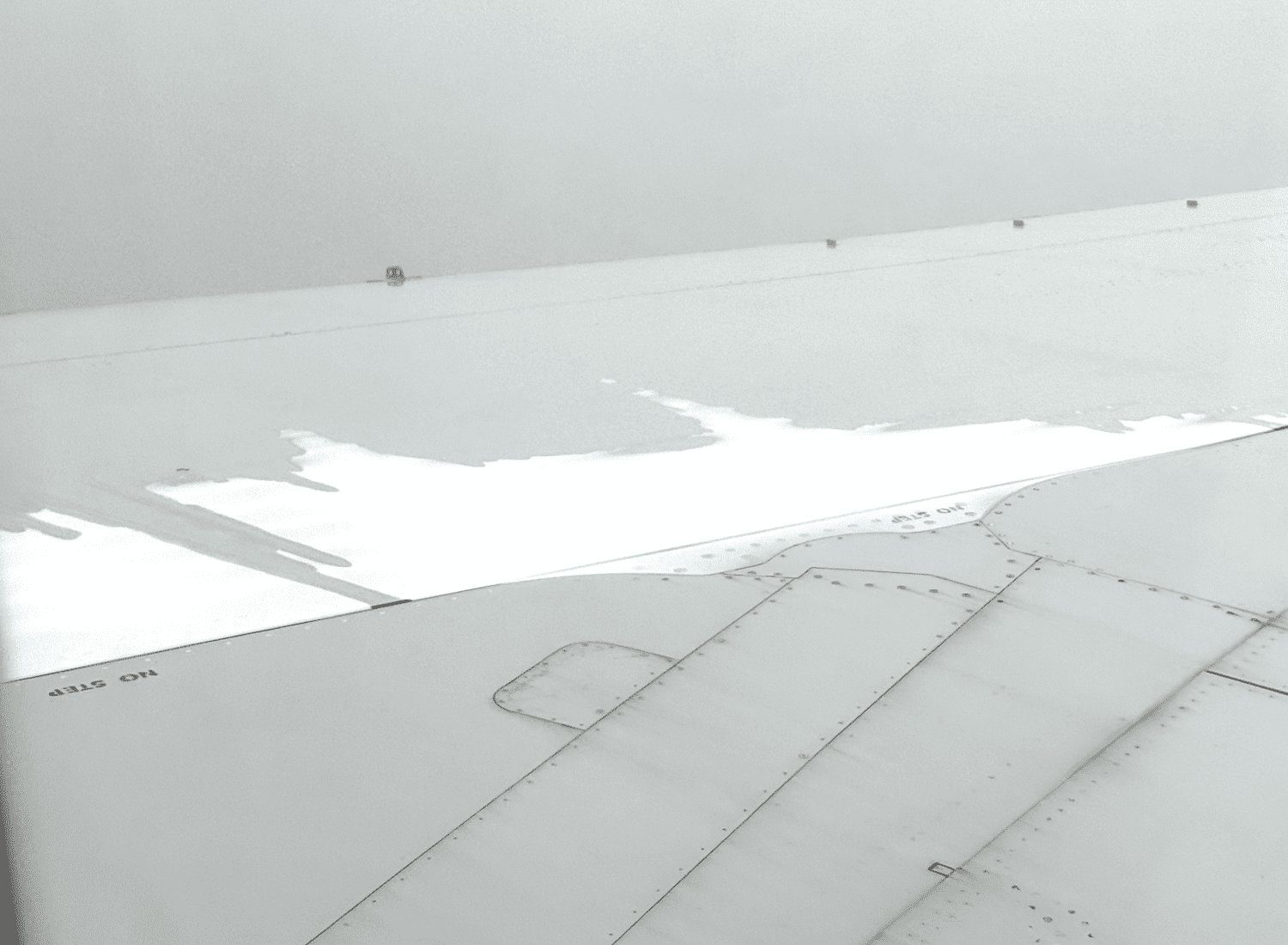
Wing Icing on a Boeing 757: How Ice Affects Flight
On a recent flight back to the Bay Area, I had a memorable experience that caught my attention as an…
-
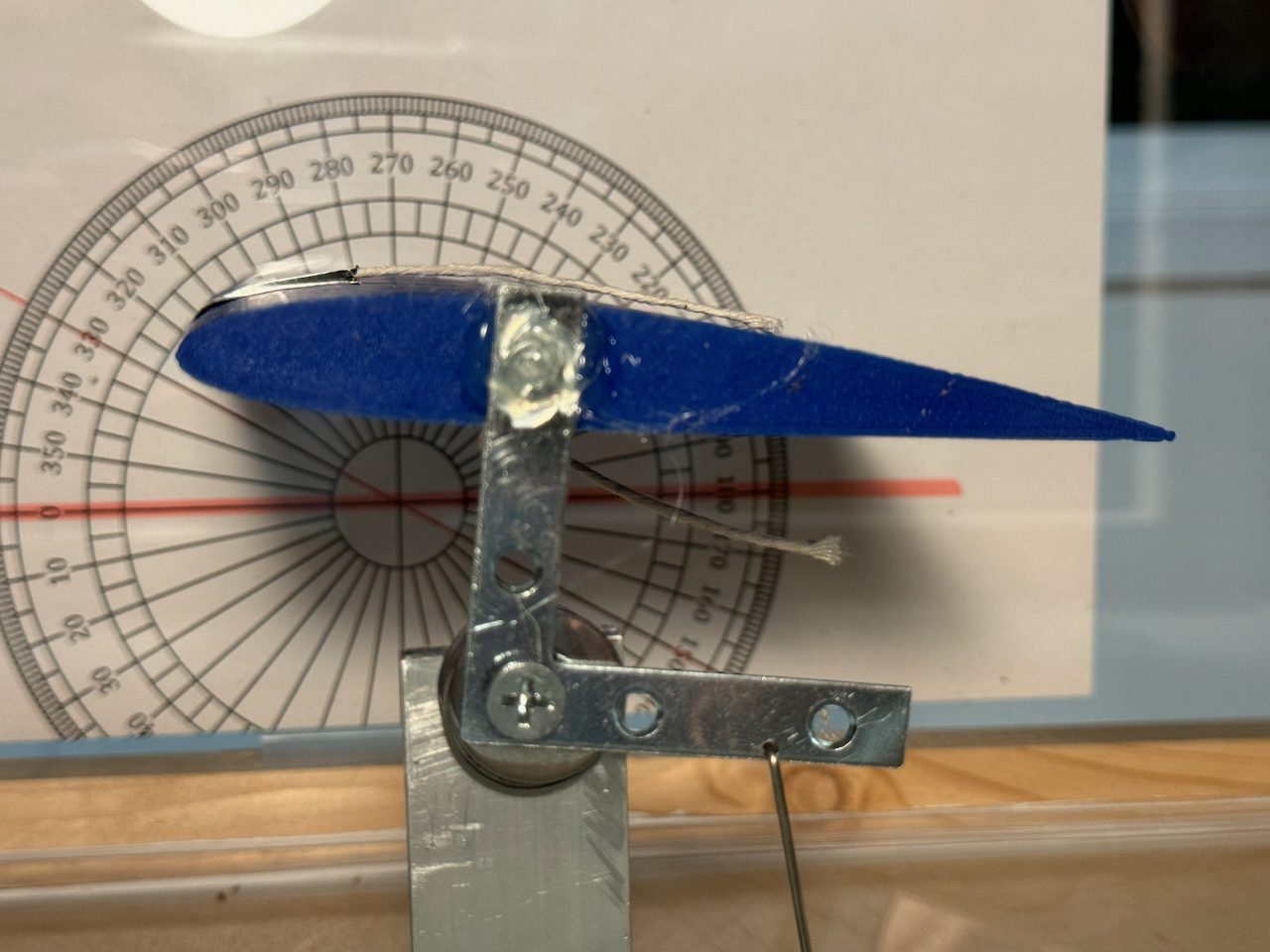
Wind Tunnel Fine Tuning and Experiments
Launching into my wind tunnel adventures, the inaugural experiment demanded a meticulously crafted airfoil. For this, I utilized wing profiles…
-
Wind Tunnel Part 6: First Experiments and Improvements
Initially after testing lift and drag through my first iteration of the wind tunnel, the data proved to be unusable…
-
Wind Tunnel Part 5: Setting up Arduino
Here I am providing my wiring and source code for measuring the lift and displaying in in realtime. This setup…
-
Wind Tunnel Part 4: The Measuring Station
Building the measuring station by far is the most challenging task when building a wind tunnel – one that I…
-
Wind Tunnel Part 3: The Concentrator
The concentrator is a specially designed section of the wind tunnel that narrows down or ‘concentrates’ the airflow as it…
-
Wind Tunnel Part 2: The Diffuser
In a wind tunnel, the diffuser serves an essential function by managing the airflow as it exits the test chamber,…
-
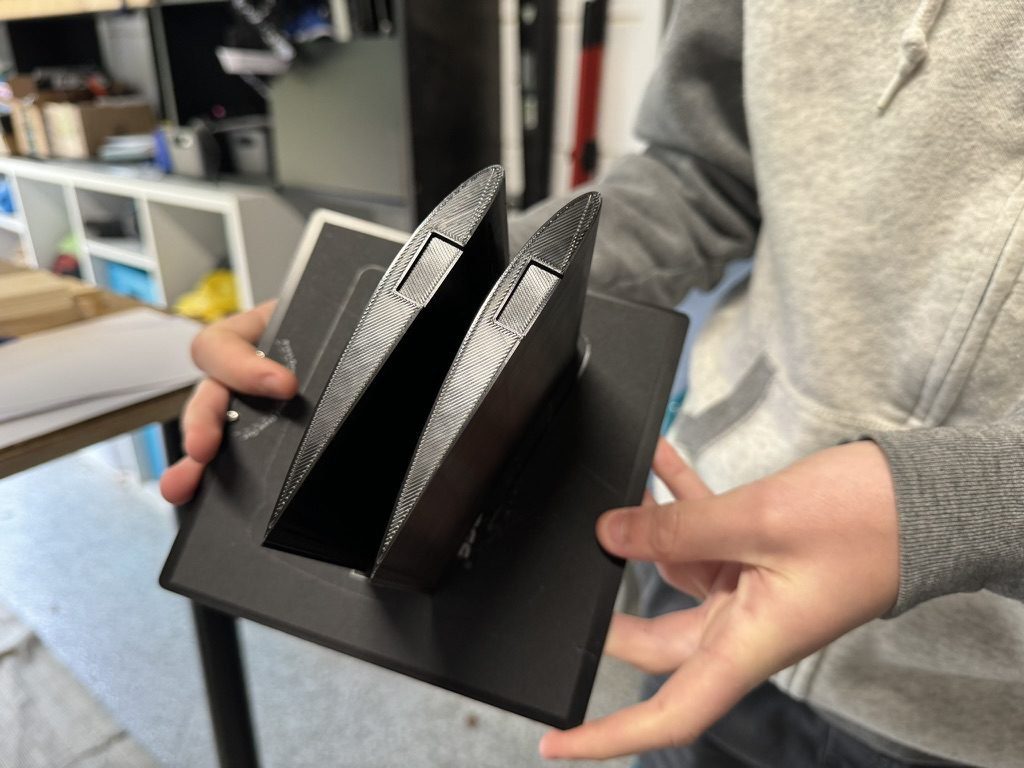
Wind Tunnel Part 1: The Test Chamber
The test chamber is where the experiments are taking place. It’s a central part of the design as it is…
-
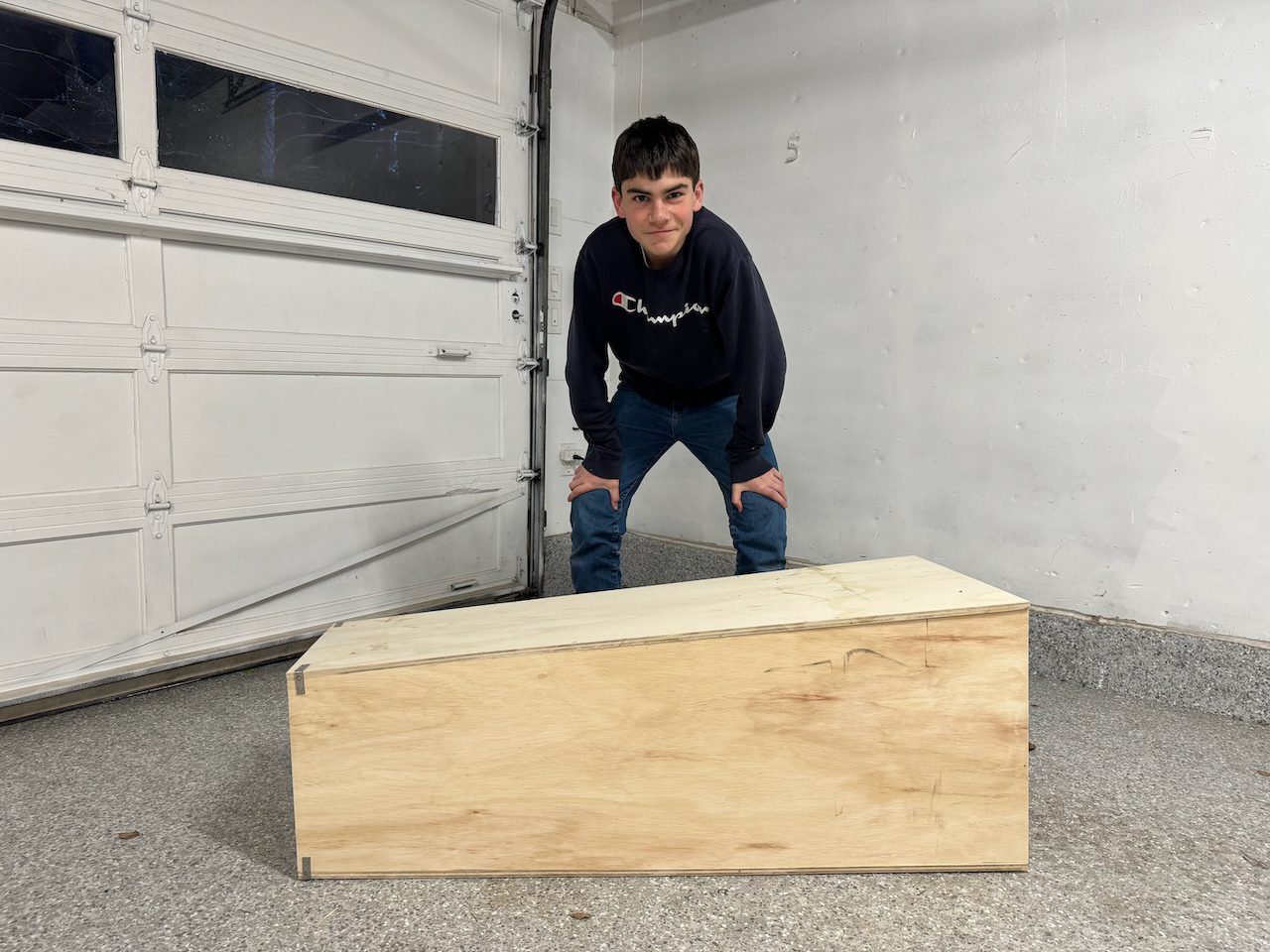
Building a Low-Speed Wind Tunnel
Today, I embark on an exciting journey to bring a piece of the aerospace world into my very own garage…
-
UCLA E96A Week Three Recap – The Final Test
Test Results In the morning, prior to visiting the airfield at Van Nuys, I tested the landing gear, as I…
-
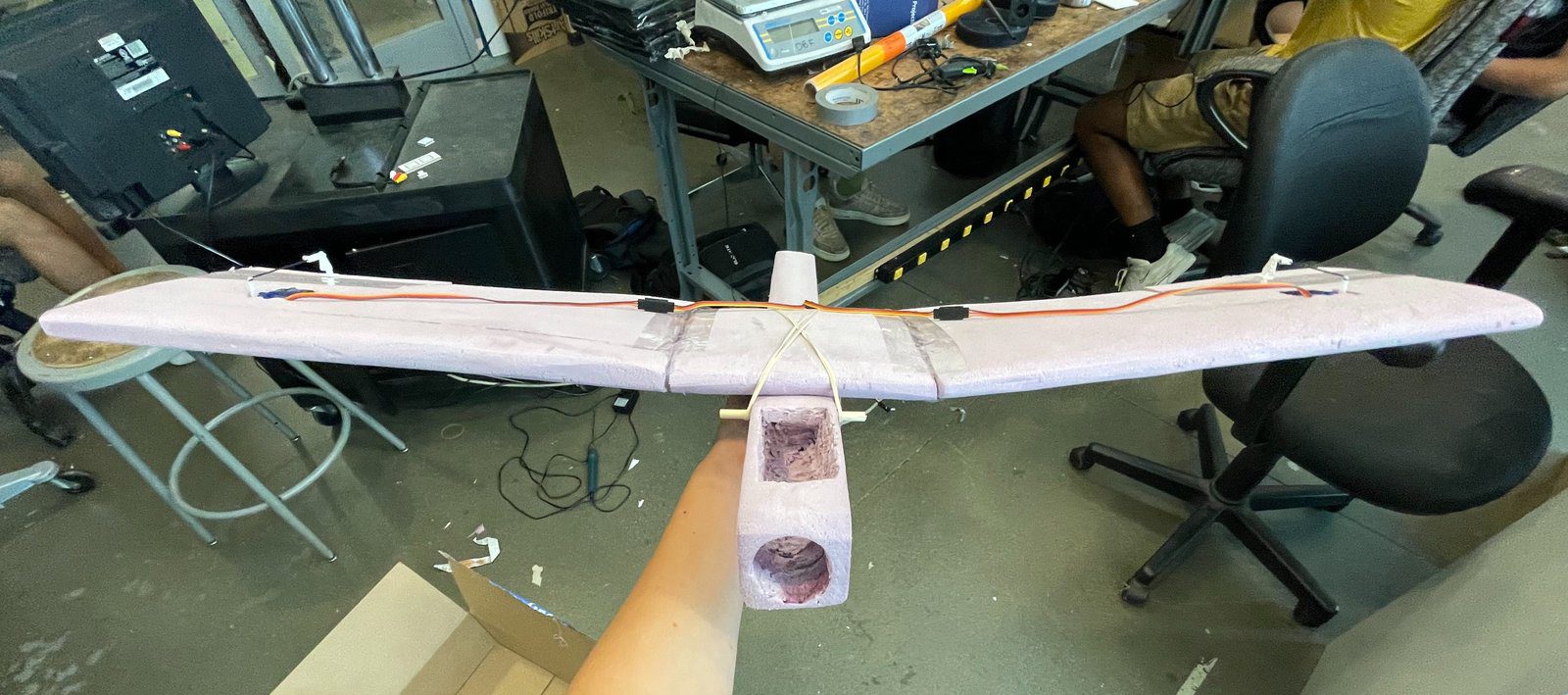
UCLA E96A Week Three Recap – Building The Final Plane
This week marked the final chance to build a successful aircraft. However, this time I chose a different strategy to…
-

UCLA E96A Week Two Recap – Aerodynamics
Students started the week by designing their aircraft on Onshape, a CAD (Computer-Aided Design) software. This important step allows them…
-
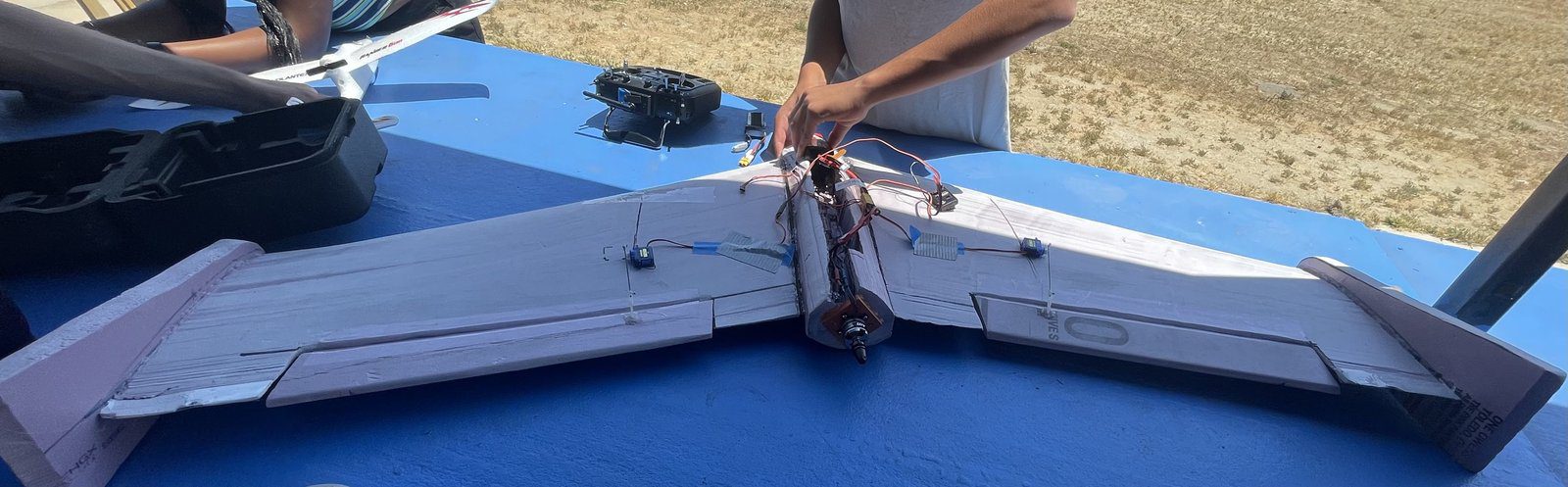
UCLA E96A Week One Recap – Gliders, Part Two
During the last three days of the week, students worked on new gliders and prepared for their next big project,…
-
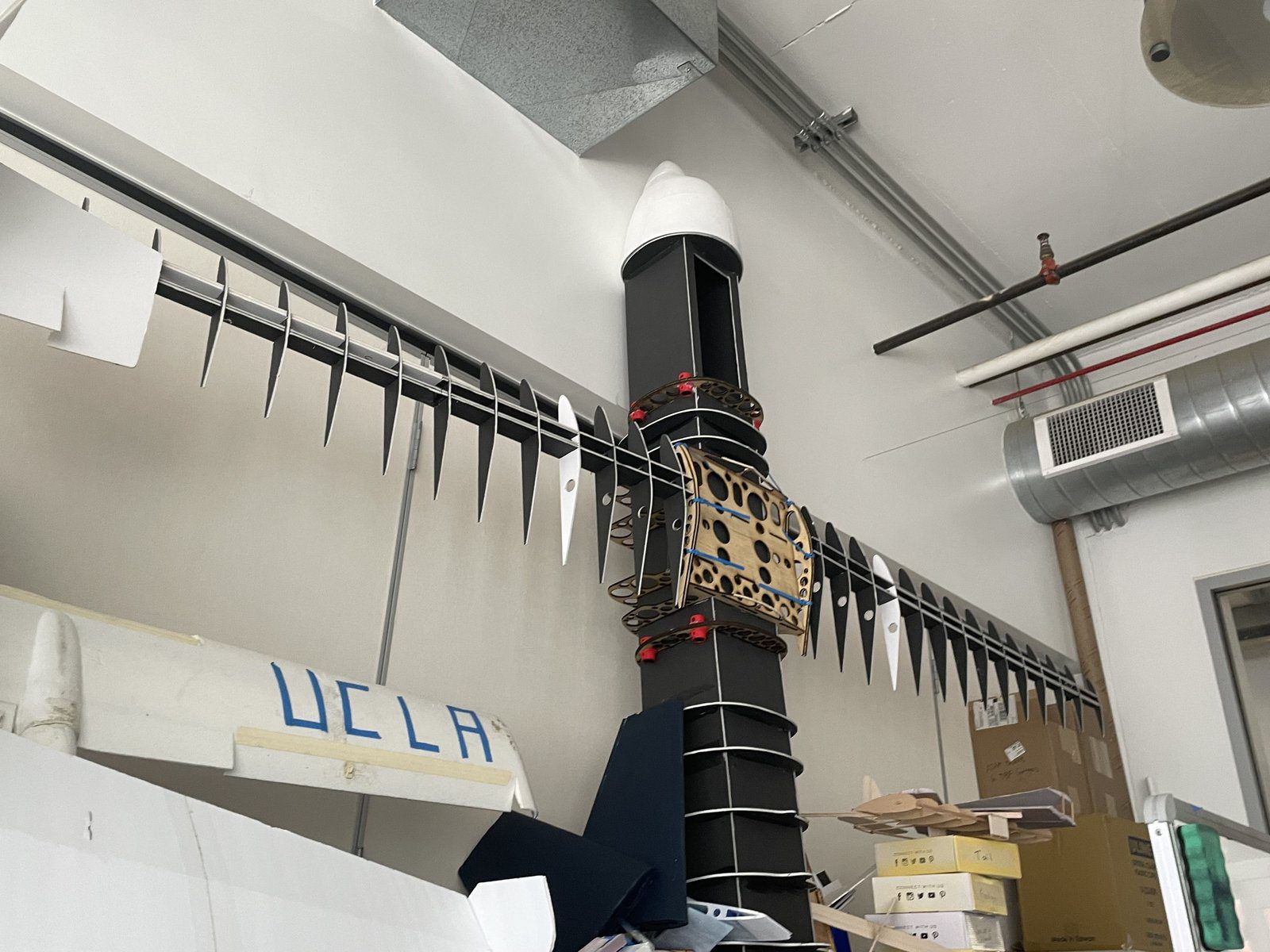
UCLA E96A Week One Recap – Gliders, Part One
Students started the second day by being assigned teams. This allowed students to collaborate throughout the week through the various…
-

UCLA E96A Plane Engineering: The Start of an Adventure
Today marks the beginning of a 3-week plane designing journey at UCLA better known as “E96A Introduction to Engineering Design:…