Building Aircraft
Hands-on aircraft construction from UCLA’s E96A aerospace engineering course — a three-week summer program where students design, build, and fly their own aircraft. The series starts with the basics: building and testing simple gliders to understand how wing shape, weight distribution, and control surfaces affect flight. Week two covers aerodynamic theory and optimization — adjusting designs based on test results and applying principles like the lift equation and drag reduction. The final week documents the construction of a powered aircraft, including material selection, structural assembly, and motor mounting, followed by flight testing to evaluate performance against design predictions. Each post includes photos and observations from the build process, connecting classroom theory to real engineering outcomes.
-
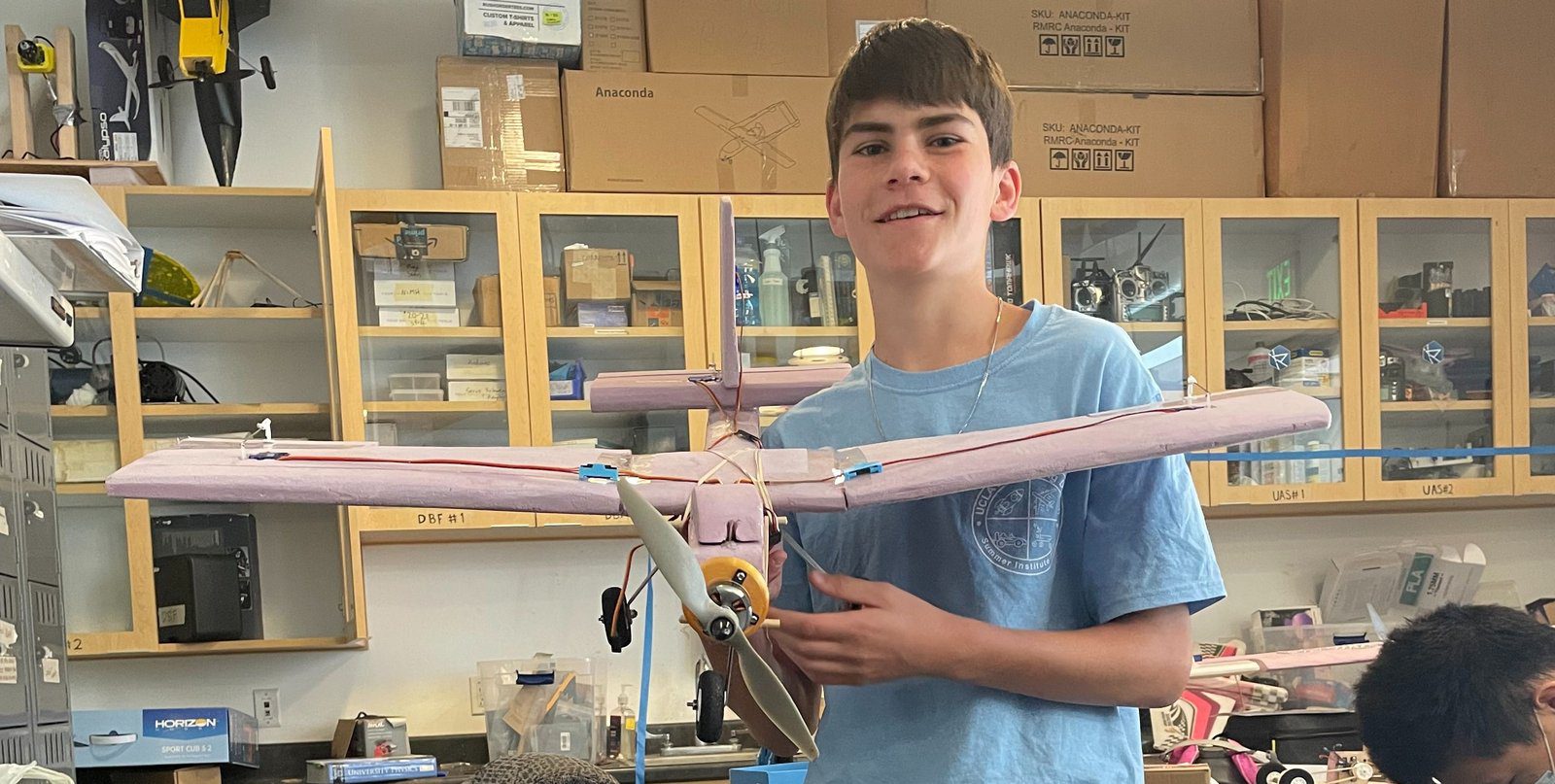
UCLA E96A Week Three Recap – The Final Test
Test Results In the morning, prior to visiting the airfield at Van Nuys, I tested the landing gear, as I…
-
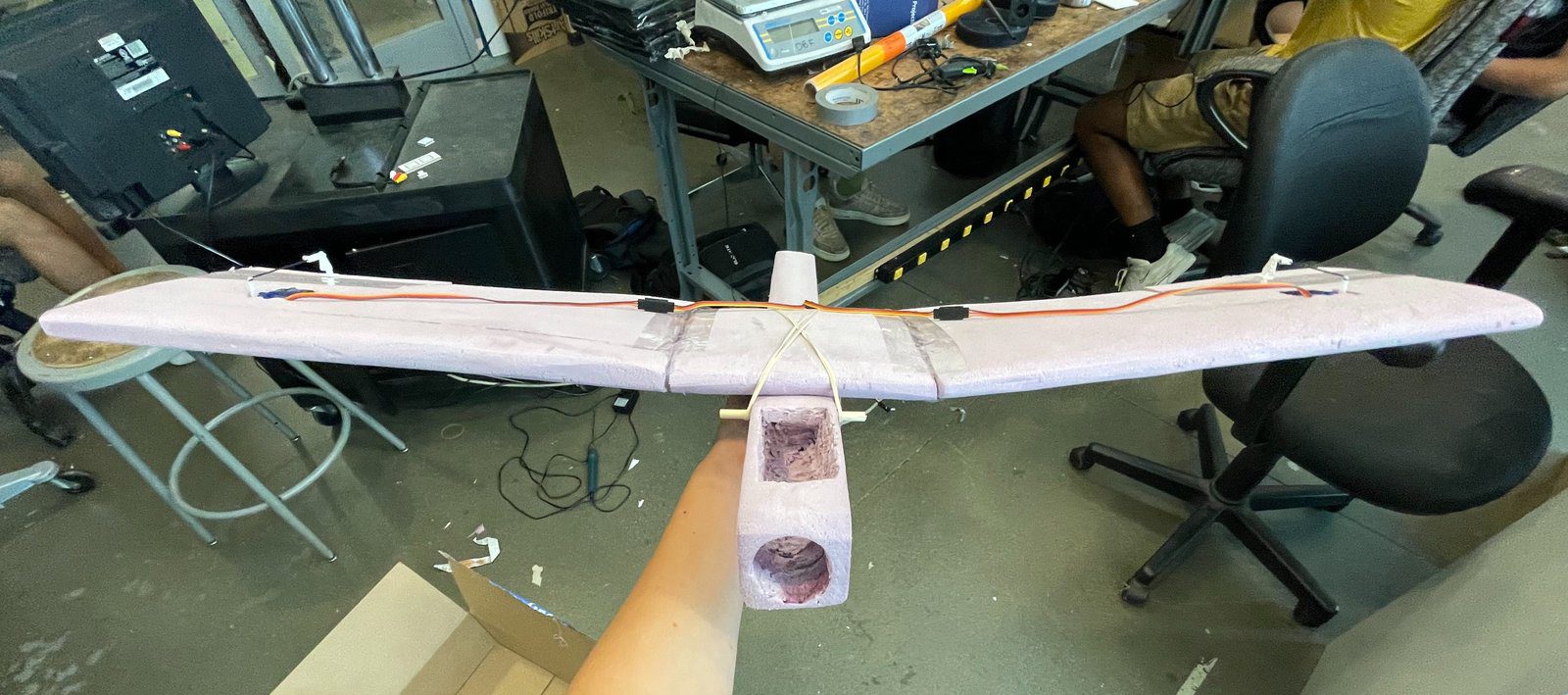
UCLA E96A Week Three Recap – Building The Final Plane
This week marked the final chance to build a successful aircraft. However, this time I chose a different strategy to…
-

UCLA E96A Week Two Recap – Aerodynamics
Students started the week by designing their aircraft on Onshape, a CAD (Computer-Aided Design) software. This important step allows them…
-
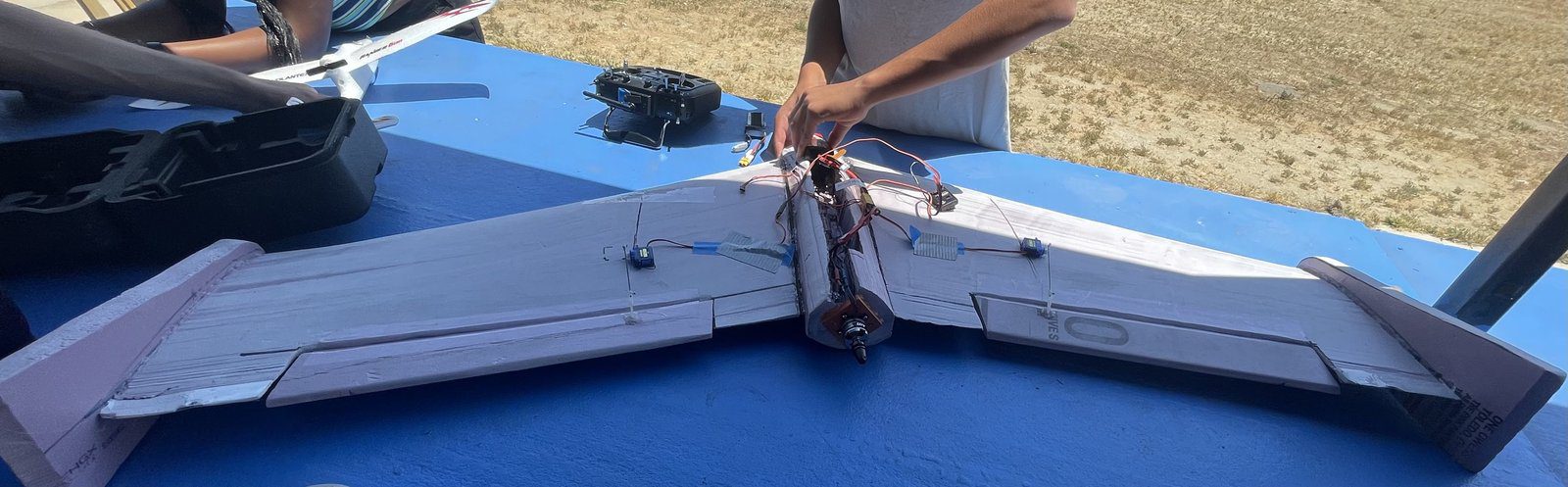
UCLA E96A Week One Recap – Gliders, Part Two
During the last three days of the week, students worked on new gliders and prepared for their next big project,…
-
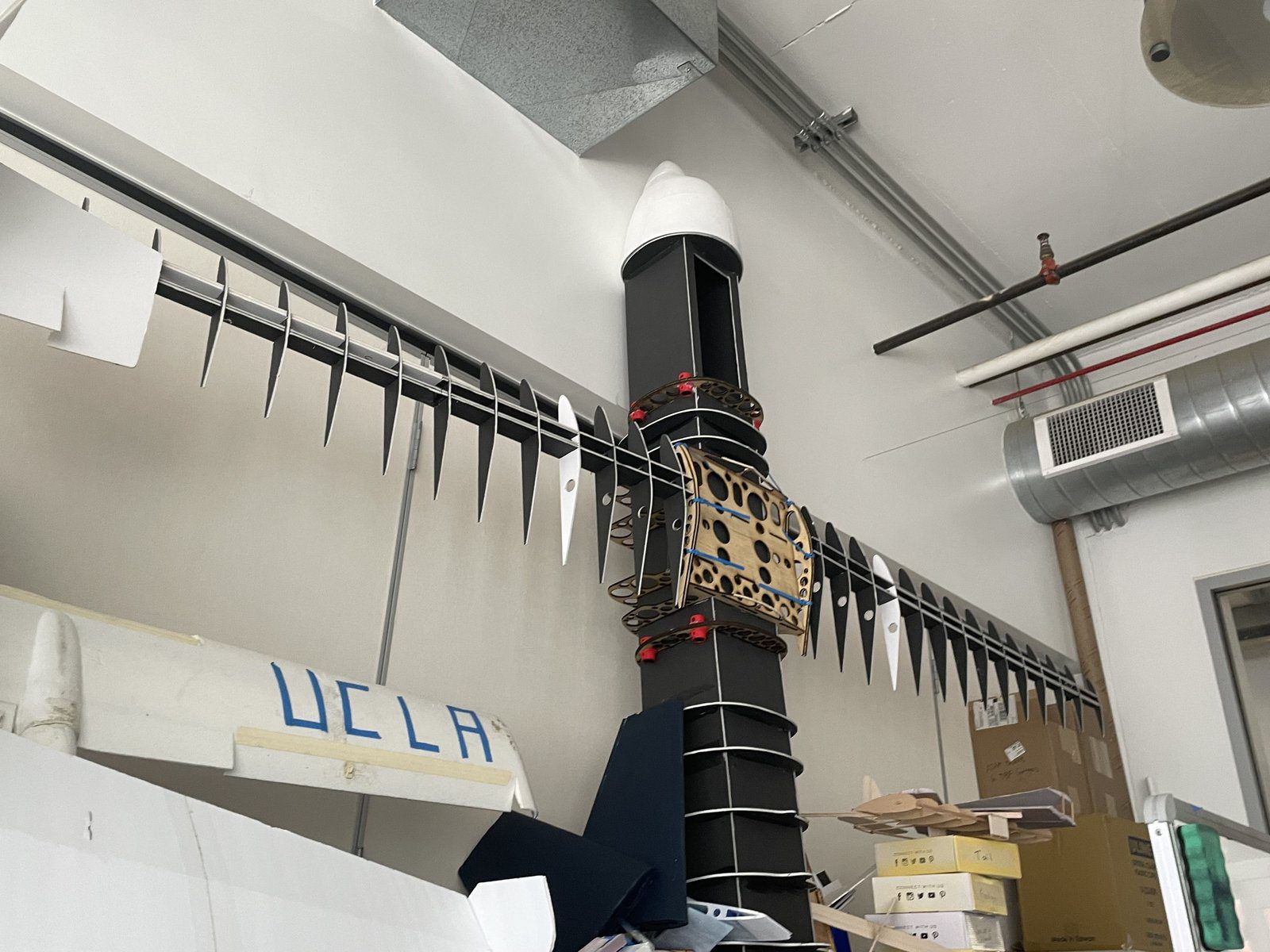
UCLA E96A Week One Recap – Gliders, Part One
Students started the second day by being assigned teams. This allowed students to collaborate throughout the week through the various…
-

UCLA E96A Plane Engineering: The Start of an Adventure
Today marks the beginning of a 3-week plane designing journey at UCLA better known as “E96A Introduction to Engineering Design:…