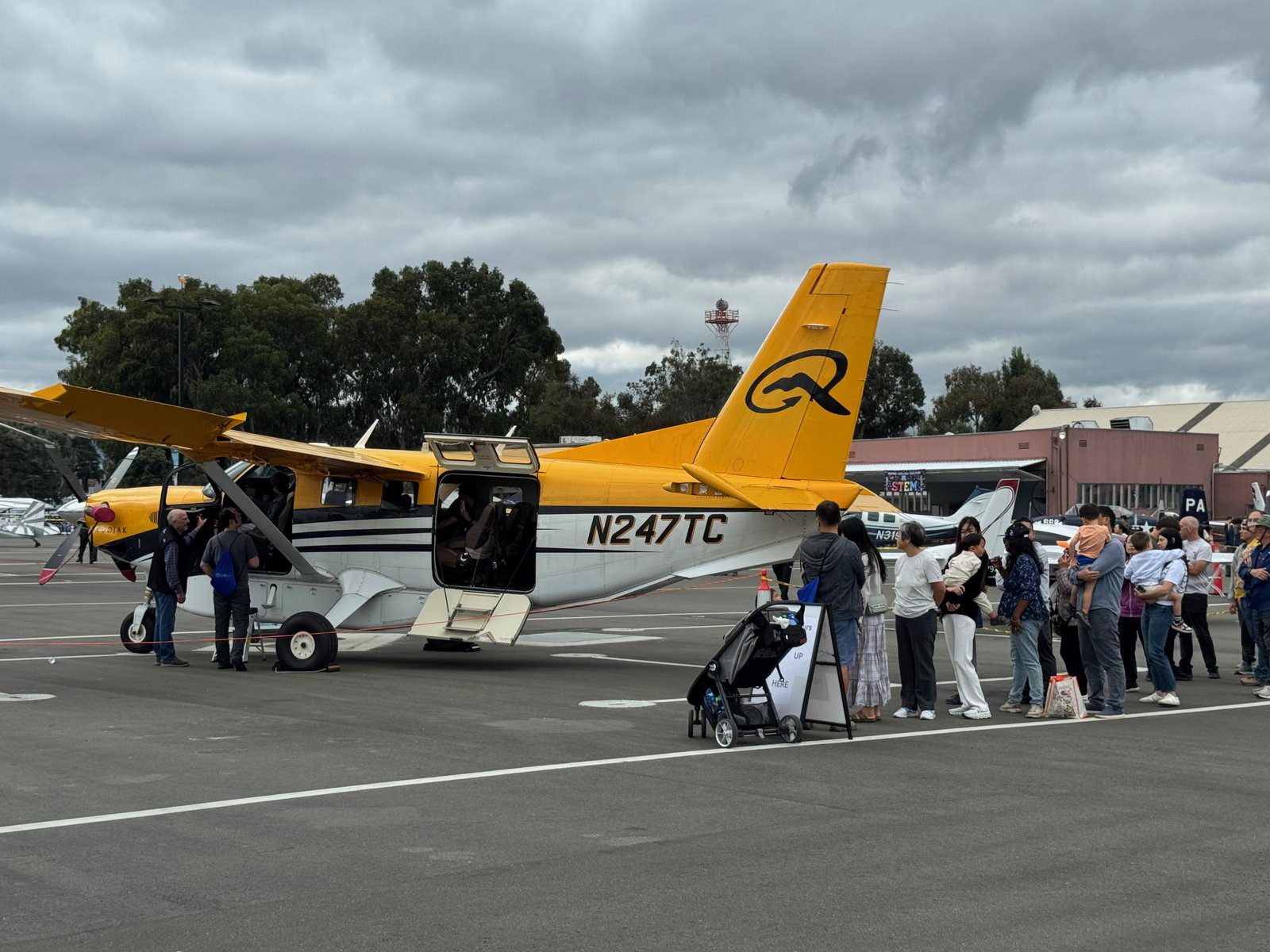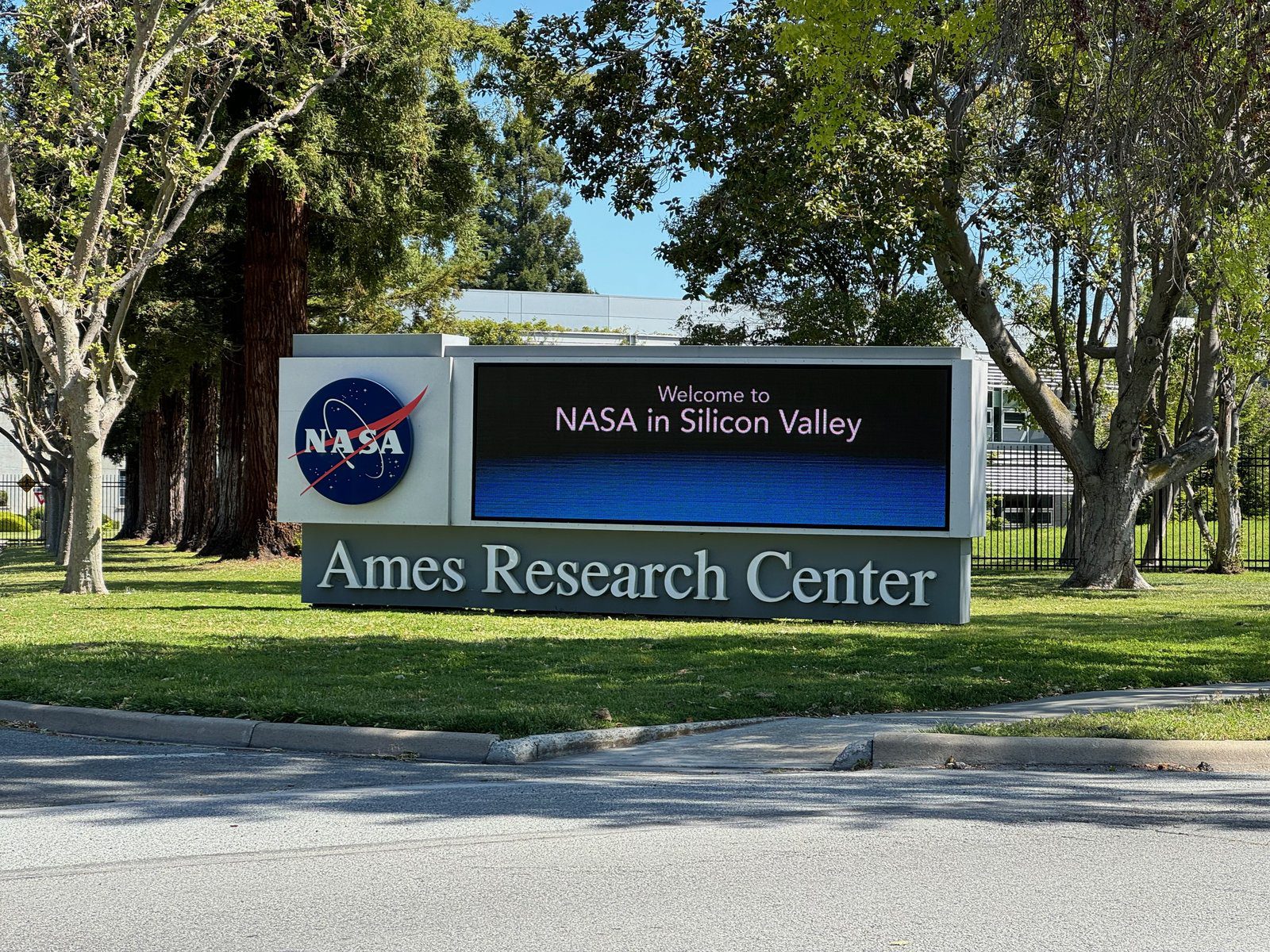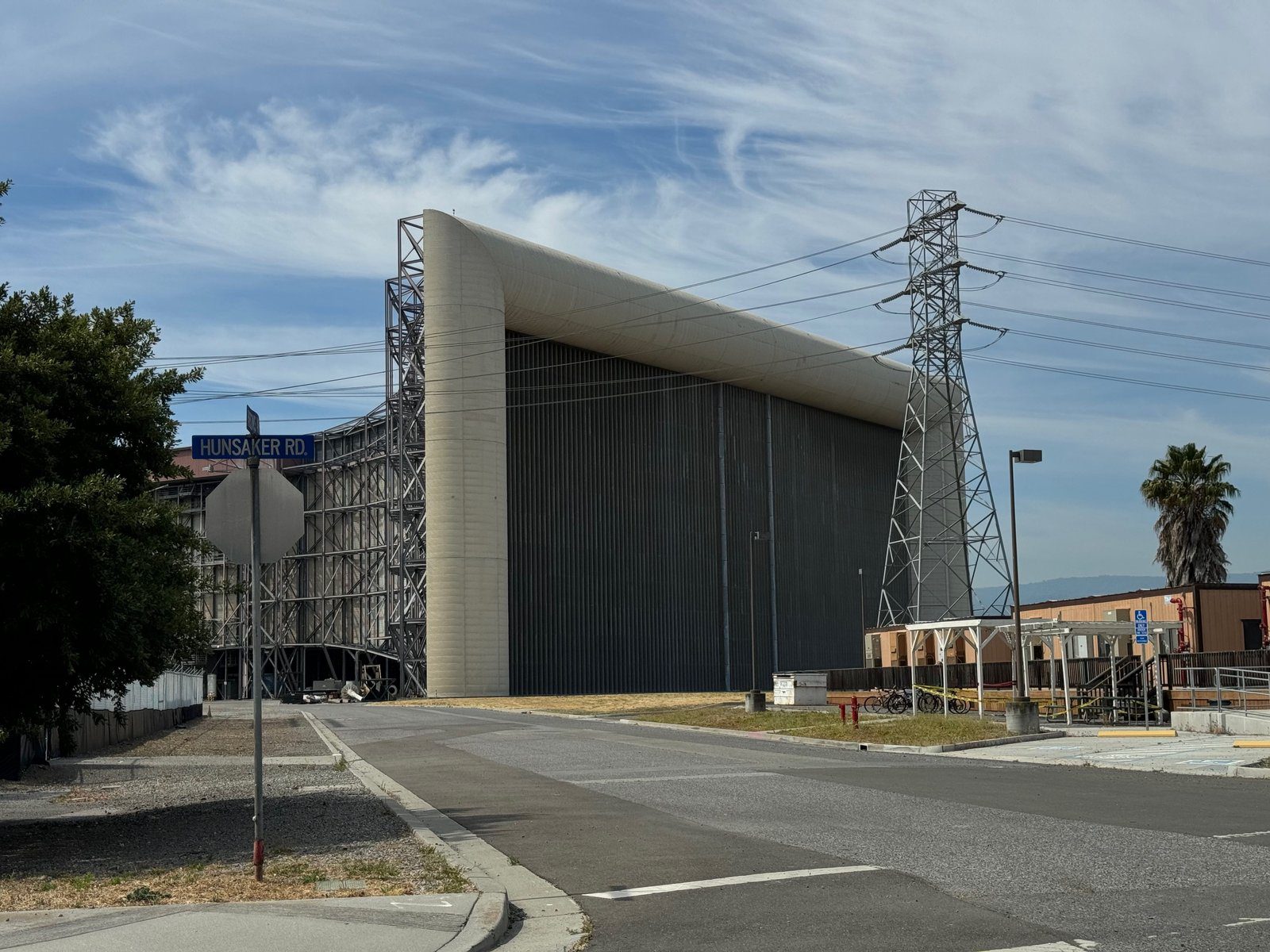
Last week I got to do something I never imagined when I was hot-gluing coffee straws together in my garage: I walked inside NASA’s giant wind tunnel at Moffett Field. My mentor from UC Berkeley, Jordy Kam, somehow convinced the right people to give us a tour, so one minute we were showing our student badges at the gate and the next we were standing in a building big enough to swallow a 737.


The scale hit me first. The test section looked like a movie set—metal walls soaring up into darkness, fans taller than my house waiting at the far end. I kept laughing because, in my head, I was seeing the plywood frames and squeaky box fan I use at home. Same idea, just about a thousand times bigger.


The part that really connected the two worlds was the intake. NASA lines theirs with huge honeycomb cells to straighten the airflow before it reaches the model. When I saw that wall of hexagons I blurted, “That’s my straw filter!” Mine is made of grocery-store straws and hot glue, but it works on the exact same principle. Seeing professionals use the same trick validated every late-night calibration session I’ve sweated through. It also gave me new goals: their cells are perfectly aligned and the edges are sealed; back home I’m already plotting a cleaner version for my tunnel.

Walking along the floor panels, our guide explained how they can bolt anything from a helicopter rotor to a pickup truck right into the middle of the tunnel and gather live data from sensors hidden in the walls and floor. Cables ran everywhere, feeding numbers to computers in the control room upstairs. In that moment my Arduino load-cell rig felt tiny, but it also felt like the starting line instead of a toy. I realized I could automate more of my own readings, maybe even stream them straight to my laptop the way NASA does.

The best part was simply standing there with Jordy and looking up. We both started day dreaming on Facetime, and now we were swapping ideas in the same tunnel that tested Space Shuttle tiles and Mars helicopter blades. The visit tightened the loop between what I build on a plywood table and the research I want to lead one day. It showed me that the physics stay the same; only the resources change.


Related Posts
Interested in wind tunnels? Check out my DIY wind tunnel build series where I built a low-speed wind tunnel from scratch, including the test chamber, diffuser, concentrator, and ran experiments with NACA airfoils.